
Colonial School District
3 Seats Open:
- Nominating District E (No election)
- Nominating District F (2 candidates)
- Nominating District G* (2 candidates)
All voters can select one candidate for F and one candidate for G.
Election Day: May 12, 2026

Nominating District F
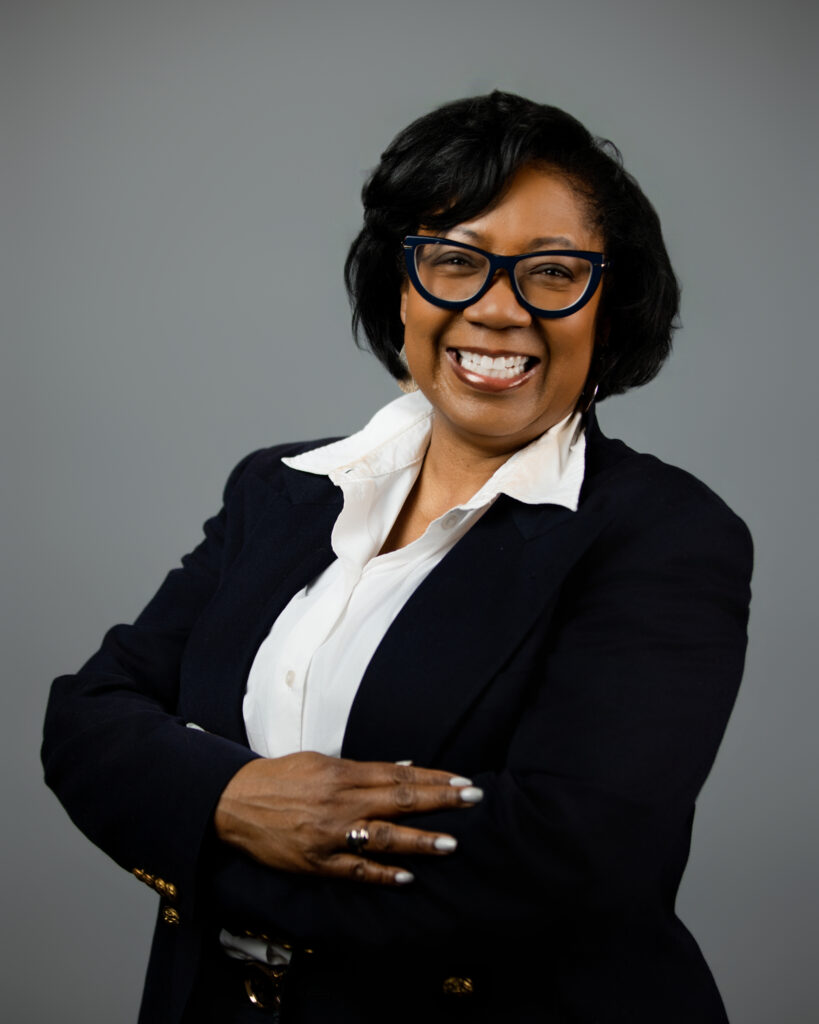
Dawn L. Green
Why I’m Running for School Board
I want to serve on the Colonial School Board because I am deeply committed to our students, families, and community. As an actively involved parent, I have contributed in multiple ways—assisting with three school referendums, serving on the Parent Advisory Council, participating in strategic planning sessions, and serving on the district’s Financial Oversight Committee. These experiences have given me firsthand insight into how our schools operate and the impact thoughtful leadership can have on student success. I want to use my experience in education, business, and community engagement to help guide the district’s direction, ensure resources are used effectively, and support policies that provide every student with the opportunity to thrive. Serving on the board is a way for me to give back and help shape the future of our schools.
Student Outcomes & Priorities
Over the next four years, the district should focus on improving student outcomes in several key areas. First, continuing to raise reading and math literacy scores is critical, ensuring all students have strong foundational skills. This includes ongoing literacy and instructional improvements to support teachers and students. Second, policy updates should prioritize both student outcomes and teacher instruction, making sure classroom practices and resources are aligned with best practices and the district’s strategic goals. Finally, the district should carefully evaluate recommendations from the Redding Consortium and the potential consolidation of the Northern NCC into a single district, ensuring any changes support student success, equitable access, and effective use of resources.
Data, Research & Decision-Making
Board members should use data, research, and community input to make informed, responsible decisions that benefit students and the district as a whole. Data and research provide evidence-based insights into student performance, instructional effectiveness, and resource allocation, helping the board identify areas for improvement and measure progress. At the same time, community input ensures that decisions reflect the priorities and concerns of families, educators, and local stakeholders. By combining data, research, and engagement, board members can make thoughtful, transparent decisions that improve student outcomes, support teachers, and ensure resources are used effectively to strengthen the Colonial School District.
Working Collaboratively to Serve Students
Working collaboratively on the school board means listening to and respecting different perspectives while keeping the district’s long-term goals for students at the center. Experience on the Parent Advisory Council, PTA, strategic planning sessions, and the Financial Oversight Committee has shown me the value of using data, research, and clear understanding of resources to guide decisions. By fostering open dialogue and focusing on what benefits students, I will work with the board to build consensus, make thoughtful decisions, and ensure every student has the support and opportunities they need to succeed.
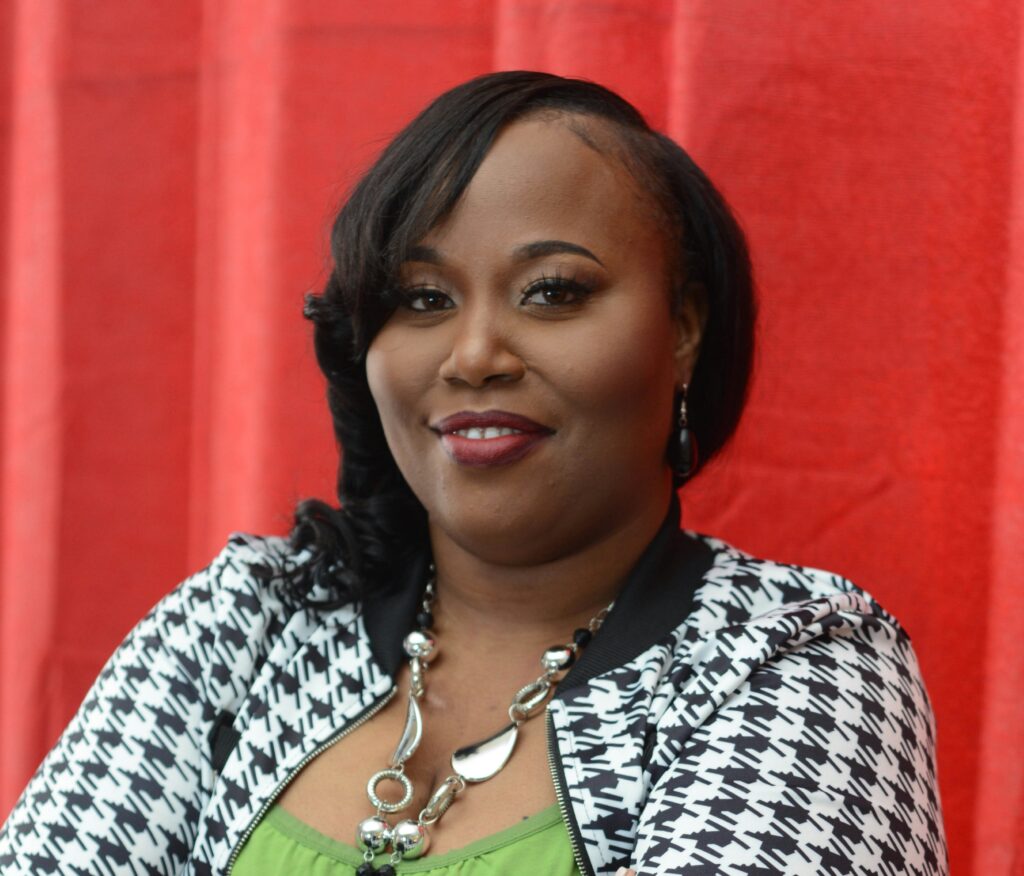
Rasheeda J Campbell
(302) 377-8629
Why I’m Running for School Board
I believe we are entering into the most consequential moments our district and many districts across America has ever faced, there is a lot at stake. Our long-standing systems and structures are being challenged and our society is entering the fourth industrial revolution. We need board members who have actually led people and organizations through difficult moments and delivered results on the other side. I spent 30+ years in financial services doing exactly that. Building systems and governance structures when there was none. Setting priorities when resources were tight. Holding teams accountable when accountability wasn't easy. And thinking creatively to solve challenges because doing the same thing and expecting a different result is the definition of insanity. These aren't political skills, these are governance skills. That is exactly the type of board members Colonial deserves, this is the track record I have shown, and why I want to serve.
Student Outcomes & Priorities
Colonial is moving but not fast enough and not for every student. We need to focus on five specific outcomes: Improving proficiency for underserved students, closing the English learners gap, finishing the job on chronic absenteeism, governing the new strategic plan with real accountability, and making our progress transparent to the community. Our families and taxpayers deserve plain-language, data-driven updates on whether we are delivering on what we said we would do and if not, what we are doing about it.
Data, Research & Decision-Making
In my many years in senior leadership roles, I built governance frameworks where decisions required evidence, not just instinct or opinion. But I also know the numbers can hide things. Data tells you what is happening, research tells you what has worked elsewhere and community input tells you what matters and what's being felt on the ground. None of these alone is sufficient and I've seen organizations fail by over-relying on any one of them. Board members should know the data, do the research and have perspectives on all sides before making decisions. But also ask what the data is not showing, not just what is showing to help guide decisions.
Working Collaboratively to Serve Students
I've managed large teams where everyone was friendly, but nothing changed. Collaboration and accountability are not opposites, establishing shared and agreed upon goals to focus on helps groups stay anchored when things get politically complicated. I can disagree professionally, advocate persistently, and still move forward with the board's decision as member. What I won't do is stay quiet about something that isn't working.
Nominating District G

Kayode Abegunde
Why I’m Running for School Board
I want to serve on the school board because I believe every child deserves a high‑quality education that prepares them for college, careers, and leadership in our community. With more than two decades of executive leadership in healthcare, nonprofit management, financial oversight, and community engagement, I bring the skills, integrity, and commitment needed to support strong governance, responsible budgeting, and student-centered decision-making. My passion for education, equity, and community empowerment drives me to contribute to a school system where every student can thrive.
Student Outcomes & Priorities
Over the next four years, my school district should focus on improving early literacy, raising English and math proficiency, continuing gains in science achievement, reducing chronic absenteeism, and increasing both on‑time graduation and post‑secondary readiness. These areas align with Delaware’s statewide performance indicators and reflect where recent district data show the greatest need for growth.
Data, Research & Decision-Making
Working Collaboratively to Serve Students
I would work collaboratively by listening to diverse perspectives and keeping discussions centered on our shared long‑term goals for students. I will approach disagreements with respect and professionalism, use open dialogue and clear communication, and rely on data to guide decisions. By valuing different cultural experiences, staying aligned with district priorities, and focusing on what students need, the board can move forward together.
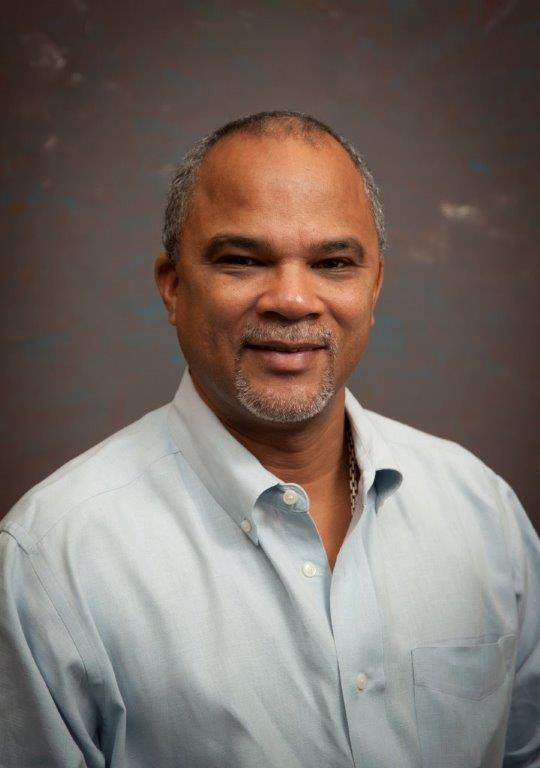
Carlos Dipres
(302) 442-3683
Why I’m Running for School Board
I am interested serving on the Colonial School Board because I want to serve my community. I live in this community and am an advocate for public education. I believe and support the mission and vision of Colonial School District. Additionally, I will proudly represent not only the residents of District G but also the 22.3% Hispanic/Latino community that attends our schools. This marks a historic first for CSD, as we will have a member of the School Board who is part of this community.
Data, Research & Decision-Making
Unopposed Candidates
Nominating District E
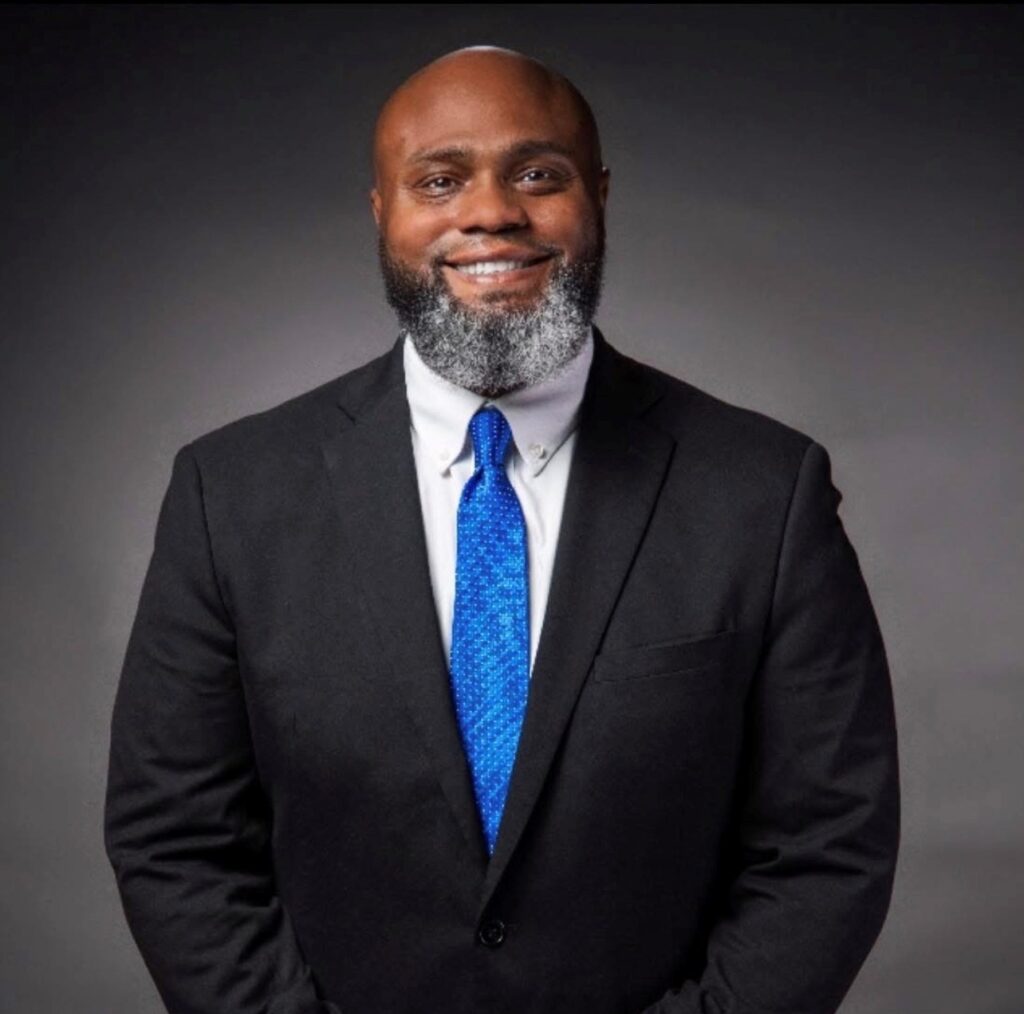
Keenan D. Dorsey
Why I’m Running for School Board
I want to serve on my local school board because I’ve dedicated my career to public education and want to contribute at a broader level. Through my work in human resources and collaboration with school leadership, I understand the importance of strong governance, thoughtful decision-making, and supporting both staff and students. I’m motivated to help set a clear direction for the district while ensuring accountability, transparency, and responsible use of resources. I value listening, building relationships, and making fair, student-centered decisions. Serving on the board would allow me to use my experience to support the success of the entire school community.
Student Outcomes & Priorities
Over the next four years, I believe the district should focus on improving three key student outcomes: academic achievement, career and college readiness, and student well-being and engagement. We should continue to improve academic achievement, especially in reading and math at the elementary and middle school levels. Early literacy and numeracy are the foundation for everything else students do in school, and if we get that right early, we set students up for long-term success. We need to strengthen career and college readiness. Not every student is taking the same path after graduation, so success should not be defined by only one measure. We should continue expanding career pathways, technical education, internships, and partnerships with local businesses and colleges so students graduate with real opportunities and a clear plan for their future. Student well-being and engagement must be a priority. Students learn best when they feel safe, supported, and connected to their school. Attendance, behavior, and school climate are all directly connected to academic success, so continuing to invest in mental health supports, positive school culture, and student engagement will improve overall outcomes. If we focus on strong academic foundations, real-world readiness, and student well-being, we will see meaningful improvement in student outcomes across the district over the next four years.
Data, Research & Decision-Making
Board members should use a combination of data, research, and community input to make informed, balanced decisions. None of these should be used in isolation. Good decisions happen when all three are considered together. Data should help identify problems, measure progress, and evaluate whether programs and initiatives are working. This includes academic performance, attendance, graduation rates, staffing data, and financial data. Data helps the board focus on facts and trends rather than opinions or isolated situations. Research and best practices should guide major decisions, especially when it comes to curriculum, programs, budgeting priorities, and student support services. School boards don't have to try to reinvent everything; we can learn from the successes and mistakes of other schools and districts of what has been proven to work and not work, and apply those lessons to our district community. Community input is extremely important because schools exist to serve the community. Families, staff, students, and taxpayers should have opportunities to share their perspectives and experiences. Community input may not always determine the final decision, but it should always be considered and respected as part of the process. In the end, board members should ask: What does the data tell us? What does research suggest works? What is our community telling us? When decisions are made using all three of those things together, they are much more likely to be responsible, effective, and in the best interest of students and the district.
Working Collaboratively to Serve Students
I approach working with other board members by focusing on respect, professionalism, and keeping students and the district’s long-term goals at the center of every decision. Board members will not always agree, and that’s healthy, but disagreement should never become personal or distract from the work. I believe in listening carefully to different perspectives, asking thoughtful questions, and trying to find common ground. Good boards don’t require everyone to think the same way, but they do require everyone to work toward the same goals. I also believe it’s important to stay focused on governance rather than day-to-day operations. The board’s role is to set direction, establish policy, monitor progress, and ensure accountability. When the board stays focused on long-term goals like student achievement, financial stability, and strong leadership, it helps avoid getting pulled into short-term issues or individual situations. Most importantly, I always come back to a simple question when making decisions: Is this in the best interest of students and the long-term success of the district? As long as the board keeps that as the focus, it becomes much easier to work collaboratively and move the district forward together.